Recycling and Sustainability at Man With Van Uxbridge
 At Man With Van Uxbridge, sustainability is built into the way we plan, load, transport, and dispose of items. Our approach to Uxbridge man and van recycling is designed to reduce landfill use, support local reuse, and keep waste moving through the correct recovery channels. We work with a clear recycling percentage target of diverting at least 85% of suitable materials away from disposal through reuse, recycling, and responsible transfer routes. That means separating mixed loads, identifying reusable items early, and choosing the right destination for each material stream.
Moving home, clearing a flat, or handling office waste can create a surprising variety of recyclable materials. Cardboard, paper, metal, furniture, textiles, electricals, and some plastics can often be recovered if they are sorted correctly. Our Uxbridge recycling van service is planned around this principle, helping customers keep recyclable goods out of mixed waste wherever possible. We also make sure that items with a second life are set aside for donation, repair, or specialist processing rather than being treated as general rubbish.
Across the boroughs we serve, waste separation is taken seriously, and our work reflects that local standard. Different areas around Uxbridge and West London often expect mixed household and commercial waste to be split into clearer categories, especially for dry recyclables, bulky items, and electrical equipment. By aligning our removal process with those borough-level expectations, Man With Van Uxbridge helps customers stay compliant while keeping recovery rates as high as possible. We aim to make recycling practical, not complicated.
Local Transfer Stations and Responsible Routing
 A key part of our sustainability plan is choosing the most appropriate local transfer stations and waste facilities for the type of material we are carrying. Using nearby sites reduces unnecessary mileage and supports a lower-carbon logistics model. Depending on the job, our man with a van Uxbridge recycling work may involve routes toward designated borough transfer stations, recycling centres, or specialist facilities for items such as scrap metal, wood, mattresses, and white goods. This helps ensure that waste is handled efficiently and processed through the right channels.
We separate loads as far as possible before they reach a transfer station. That may include grouping cardboard from office moves, setting aside metal shelving from garage clearances, or keeping electricals apart from general bulky waste. In many cases, local sites can then direct materials into specialised recovery streams. This is especially useful in mixed residential and commercial areas, where clear sorting supports higher recycling performance and reduces contamination in dry mixed recyclables. Our focus is always on sending the right material to the right place first time.
When there are items that cannot be recycled locally, we still apply a responsible routing decision. That might mean using approved facilities for residual waste or forwarding certain items to treatment locations that can safely process them. The result is a more transparent and environmentally conscious system for Uxbridge recycling removals, with less dependence on landfill and more emphasis on recovery. We also review vehicle load patterns to reduce repeat journeys, combining collections where practical to lower emissions.
Partnerships with Charities and Reuse Networks
One of the most effective sustainability measures in our service is partnering with charities and reuse organisations. Many items collected during a move are still in good condition and only need a new home. Furniture, kitchenware, books, office chairs, and household goods can often be passed to charitable partners rather than broken down for recycling. This approach supports local communities while extending the life of usable items, which is often better environmentally than recycling alone.
Our recycling and sustainability model gives priority to reuse before recovery. If a wardrobe can be donated, that is preferable to dismantling it for wood recycling. If a table, lamp, or filing cabinet still has life left in it, a charity partnership can help it reach someone who needs it. This not only reduces waste but also lowers the demand for new products, cutting the embedded carbon associated with manufacturing, packaging, and transport. In practice, this means each clearance is assessed for donation potential before disposal is considered.
 We also support community-focused recycling activity by working around the practical realities of local waste systems. In and around Uxbridge, materials often need to be separated into familiar categories such as cardboard, metals, timber, textiles, and WEEE items. By preparing loads with those categories in mind, our Uxbridge man with van sustainability service can help ensure that suitable donations are isolated quickly and recyclable streams remain clean. That makes reuse faster and recycling more efficient.
Low-Carbon Vans and Smarter Transport
 Transport emissions matter, especially for a service that spends much of its time moving through busy urban corridors. That is why our fleet strategy includes low-carbon vans and route planning designed to minimise fuel use. We focus on vehicles with efficient engines, lower emissions profiles, and practical load capacity so fewer trips are needed overall. Where possible, our scheduling groups nearby jobs together, reducing congestion time and cutting the overall carbon footprint of each move.
For customers, this means a greener alternative to multiple car journeys or repeated hire trips. A single efficient collection can often replace several smaller removals, especially when items are sorted in advance. We also train crews to load vans sensibly so that space is used well and journeys are not wasted. This is a simple but effective way to improve the sustainability of man and van recycling in Uxbridge while keeping the service flexible and cost-conscious.
Vehicle upkeep also plays a role. Tyres, servicing schedules, and engine checks are managed to keep emissions and fuel consumption under control. In a busy borough environment, those details make a real difference over time. Combined with smarter routing and careful load planning, our low-emission approach supports a cleaner logistics chain from collection point to transfer station or charity partner. The goal is not only to move items safely, but to do so with as little environmental impact as possible.
Our Ongoing Sustainability Commitment
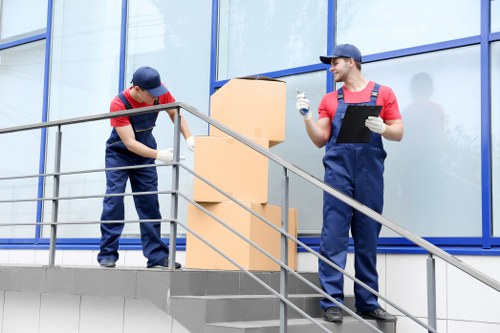 Sustainability is not a single policy; it is a continuous process of improvement. We regularly review our recycling percentage target, our transfer routes, and our reuse partnerships to make sure they remain effective. As local waste practices evolve, we adapt to new sorting requirements, better recovery options, and stronger community reuse networks. That helps us keep pace with borough-level waste separation expectations while offering a dependable, eco-conscious service.
From household clearances to office removals, our Uxbridge recycling service is built around the idea that waste should be treated as a resource wherever possible. By combining charity partnerships, careful separation, approved local transfer stations, and low-carbon vans, we reduce avoidable waste and keep more materials in circulation. This is the standard we set for every job.