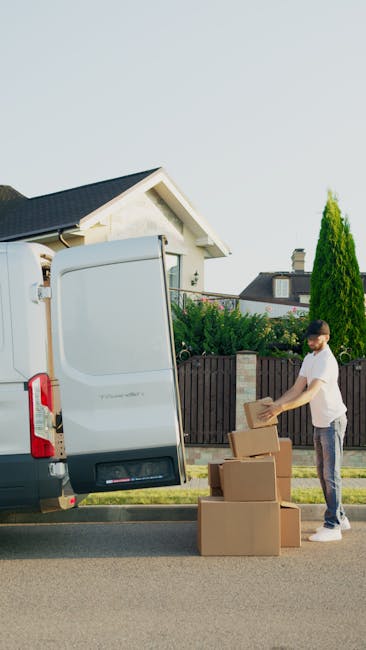
Man with van for Uxbridge station last mile moves: a practical local guide
If you are trying to bridge the gap between a train, a flat, a storage unit, or a business delivery, Man with van for Uxbridge station last mile moves is exactly the kind of service that can save time, stress, and a lot of awkward lifting. The "last mile" part sounds technical, but in real life it usually means one thing: getting your items from the station area to the final address without turning a simple handover into a full removal day. That might be a few boxes after work, a sofa from a warehouse, or a student move with two suitcases and a desk lamp. Whatever the job, the right van service makes the final stretch feel manageable instead of messy.
This guide explains how station-based last mile moves work, who they suit, where the risks are, and how to plan them properly. It also covers practical checks, common mistakes, and the small details that make everything run smoothly on a busy London day.
- Why station last mile moves matter
- How the service works
- Key benefits and practical advantages
- Who needs this service
- Step-by-step guidance
- Expert tips for better results
- Common mistakes to avoid
- Tools, resources and recommendations
- Law, compliance and best practice
- Options and comparison table
- Case study or real-world example
- Practical checklist
- Conclusion
- Frequently asked questions
Why Man with van for Uxbridge station last mile moves Matters
Station areas create a very specific kind of moving problem. They are busy, time-sensitive, and not always designed for loading or unloading large items. A van can be waiting, but if you have to drag a mattress across a forecourt, squeeze around commuters, and then climb stairs at the other end, the "quick job" suddenly becomes a bit of a saga.
That is why last mile moves near Uxbridge station matter. They solve the final transport leg, which is often the part people underestimate. The first part of a move may be handled by a storage provider, retailer, office, or rail journey. The last mile is where items actually need to arrive safely and on time. Done well, it keeps a move tidy and controlled. Done badly, it creates delay, damage, and a very grumpy afternoon.
In practical terms, this service matters because station pickups and drop-offs often involve:
- tight timing around trains or building access windows
- limited waiting space for vehicles
- extra walking distance from platform, taxi rank, or station frontage
- items that are too bulky for public transport
- the need for careful handling, especially in wet weather or rush hour
To be fair, Uxbridge station is not unique in this. Most station environments have the same pressures. But the value of a man and van setup is that it stays flexible. You do not need a huge removal lorry for two armchairs and four boxes. You do not need a full crew for a single collection. You need the right vehicle, enough hands, and a plan that respects the station environment.
It is also worth saying that the last mile is often where customer confidence is won or lost. If your items arrive clean, intact, and when expected, the whole job feels easier than it looked on paper. That is the goal. Simple really, though not always easy.
How Man with van for Uxbridge station last mile moves Works
The process is usually straightforward, but the details matter. A station-based move is not just "turn up and load." It works best when both sides understand the pickup point, timing, access, and what is actually being moved.
1. You share the basics
Start with the pickup and delivery details. For a station last mile move, that means more than just the postcode. The useful information includes where you are meeting, whether the items are coming from the station side or the other side of the journey, how many items there are, and whether there are stairs, lifts, or parking restrictions.
If the job relates to broader moving needs, it can help to look at the wider service pages for man with van or man and van, especially if you need a flexible service rather than a full-scale removal.
2. The vehicle and timing are matched to the job
A last mile move near a station is often time-sensitive. A smaller van may be ideal if access is tight or if you do not want to block a road for long. A larger vehicle may suit multiple loads or office equipment. The point is not to choose the biggest van available. The point is to choose the van that fits the job, the location, and the time window.
That can include side access, tail-lift needs, or simply enough room for protective blankets and straps. Small details. Big difference.
3. Loading is kept efficient and careful
Good loading is part organisation, part muscle memory. Items should be grouped by fragility, size, and the order they will be unloaded. A proper loading plan can save ten awkward minutes at the destination. Sometimes more.
For example, if a station pickup involves several boxes and a bicycle, the boxes may be loaded first and the bike secured last. If there is a delicate lamp or monitor, it should not be wedged next to a heavy suitcase because "it'll probably be fine." Let's face it, that phrase has caused more damage than rain ever has.
4. The final handover is handled at the destination
Last mile moves end when the items are delivered to the room, reception, flat, or storage bay that they actually need to reach. That final handover may include stairs, narrow hallways, lift coordination, or a careful carry through shared areas. A good mover will keep things tidy and minimise disruption for neighbours, staff, or passers-by.
If you need packing help before the move or unpacking at the other end, that can be part of a wider plan too. In some cases, packing and unpacking services are worth considering because they reduce the chance of losing time on the platform side while trying to tape boxes on the fly.
Key Benefits and Practical Advantages
There are a few reasons people keep choosing a man with van service for station-linked deliveries and relocations. Some are obvious. Some are easier to appreciate only after you have tried doing the job yourself.
- Speed: a van can be arranged quickly and used efficiently for the final leg.
- Flexibility: useful for odd-sized collections, one-off transfers, or short-notice changes.
- Lower pressure: no need to coordinate a large removal team for a small but awkward job.
- Better handling: trained lifting and secure loading reduce the chance of damage.
- Local practicality: station moves often need a vehicle that can adapt to road access and timing constraints.
There is also a quieter benefit: mental relief. It sounds small, but when you know your items are being met at the station and taken straight to the final address, you stop doing the maths in your head. No more wondering if you can carry that bedside cabinet alone. You can't, by the way. Not comfortably, and probably not without a sore back later.
For businesses, the benefit is even clearer. Office equipment, files, promotional stock, and event materials often need a fast station-to-office transfer. That is where commercial moves and office removals can support a more organised handover, particularly where timing matters and disruption needs to stay low.
There is another practical advantage too: the service can be scaled. A tiny load does not need to become a grand production. And if the job grows, you can usually adjust the vehicle or support level rather than starting again from scratch.
Who This Is For and When It Makes Sense
This type of move is for anyone who has a final destination that is awkward, time-sensitive, or simply not suited to public transport and a couple of shopping bags. In our experience, the people who benefit most are not always the ones with the biggest moves. Often, it is the ones with the most awkward ones.
Common examples include:
- Students moving between trains, halls, shared houses, and storage
- Commuters collecting items from station-adjacent storage or a seller nearby
- Flat movers who need help with the last stretch from the station to home
- Small businesses moving stock or equipment to a nearby office
- People collecting furniture from a station-side handover point
- Anyone with mobility limits who wants the effort reduced and the trip simplified
If you are planning a fuller home move, it may be better to think in terms of a broader removal service rather than a simple station handoff. The pages for home moves, house removals, and removals are more relevant when the job involves multiple rooms, larger furniture, or a complete household shift.
So when does it make sense? Usually when the move is small enough that a van is efficient, but tricky enough that doing it yourself would be a hassle. That is the sweet spot. Not glamorous, but very real.
Step-by-Step Guidance
If you want the move to feel smooth, treat it like a short project. Nothing overcomplicated. Just enough planning to prevent silly delays.
- Clarify the exact pickup point. Say whether it is station frontage, nearby parking, storage, a property entrance, or a meeting point close to the station.
- List every item. Count boxes, note furniture dimensions, and flag anything fragile, awkward, or heavy.
- Check access both ends. Stairs, lifts, narrow corridors, loading bays, and parking restrictions all matter.
- Choose the right service level. If you need lifting help, waiting time, or multiple drops, say so early.
- Prepare items before the van arrives. Tape boxes, remove loose shelves, wrap surfaces if needed, and keep essentials separate.
- Build in time for station traffic. A small delay at the station can become a larger one if you arrive exactly on the minute and everything is crowded.
- Check delivery instructions. Some homes or offices need buzzers, gate codes, reception handover, or lift booking.
- Confirm the plan before the move. A quick final check prevents confusion on the day.
A simple practical example: if you are meeting a van near the station with a desk, two suitcases, a monitor, and a plant, tell the mover whether the desk needs dismantling, whether the monitor is boxed, and whether the plant needs upright transport. That kind of detail saves fiddling around in the kerbside gloom at 6:30 p.m. when everyone just wants to get home.
If the move is for a household and there is packing left to do, it can also be sensible to combine it with man with van removal support or use a removal van where more space is needed. The key is matching the vehicle to the reality of the job, not the fantasy version where everything fits perfectly first time.
Expert Tips for Better Results
These are the small things that tend to separate a calm move from a chaotic one.
- Keep a clear "first off" load area. If the first items out are needed immediately, place them where they can be reached without repacking the whole van.
- Use soft protection for corners and screens. A blanket or wrap can prevent the little knocks that happen during short urban journeys.
- Label boxes by room or priority. Not fancy labels. Just enough to know what is what.
- Choose a slightly wider time window if possible. Station traffic can be unpredictable around peak periods.
- Measure doorways and lifts. A few minutes with a tape measure can save a lot of swearing later. Mild swearing, at best.
- Keep valuables and documents with you. Even on a trusted move, it is sensible to retain personal items yourself.
Another good habit is to photograph any existing marks on furniture before moving. It is not about expecting problems. It is about having a clear record, which is just good sense.
And if the job involves multiple items from several sources, ask for a plan that groups the load by stop. That makes unloading at the destination much smoother and helps avoid the common "where did that box go?" moment.
Common Mistakes to Avoid
The biggest problems are usually not dramatic. They are small, avoidable oversights. The sort that seem minor until you are standing outside a station with a heavy item and nowhere to set it down.
- Underestimating access. A short walk can become long if parking is poor or the entrance is not where you expected.
- Not mentioning heavy items. A mover can only plan properly if they know what they are lifting.
- Booking too tightly around train times. A few minutes of delay can throw off the whole handover.
- Leaving fragile items unprotected. Station environments are busy and sometimes wet, with constant foot traffic.
- Assuming the van can stop anywhere. It often cannot. That matters more than people think.
- Forgetting lift or building restrictions. Offices and apartment blocks can have rules that affect timing and parking.
There is also a mindset mistake: treating every job as if it needs the same setup. A single box of electronics is not the same as a small flat move. A warehouse collection is not the same as a student pickup. The right approach starts with calling the job what it actually is.
That sounds obvious, I know. But obvious things are usually where moving jobs go sideways.
Tools, Resources and Recommendations
You do not need a huge kit for a last mile move, but a few practical items help. If you are preparing the load yourself, these basics make the work easier and safer.
- Strong boxes for books, kitchenware, and mixed items
- Packing tape and a label marker
- Bubble wrap or paper wrap for fragile goods
- Blankets or soft covers for furniture protection
- Stretch wrap for drawers, doors, and loose parts
- Basic trolley or dolly if the job involves heavier boxes or appliances
- App or notes list to keep track of items and handover points
For service decisions, useful pages to review include pricing and quotes, insurance and safety, and health and safety policy. These do not replace a proper conversation, of course, but they help you understand the standards behind the service and what good practice should look like.
If the move is part of a furniture collection or a clear-out, furniture pick up can be a better fit than a general move page. That sort of clarity matters. It helps you get the right vehicle, the right timing, and fewer assumptions.
Law, Compliance, Standards, or Best Practice
Most people do not book a van service because they want a lecture on compliance. Fair enough. Still, a trustworthy mover should work to sensible UK standards and safe operating practices, especially in public places like station areas.
Best practice usually includes:
- safe lifting techniques and avoiding unnecessary manual strain
- proper loading so items do not shift in transit
- care around pedestrians, kerbs, and station traffic
- appropriate insurance cover for the type of work being carried out
- respect for building access rules, loading limits, and property instructions
- clear communication about what is and is not included
For customers, the practical takeaway is simple: ask whether the job is insured, how items are protected, and what happens if access is tighter than expected. That is not being fussy. It is being sensible.
If you are comparing providers, look at whether they explain terms clearly. The pages for terms and conditions and payment and security are useful because they help set expectations before the move begins. Good transparency reduces friction later. Always has.
And if anything goes wrong, a proper business should have a complaints process and clear policies. That is part of professional service, not a bonus extra. It is reassuring, really.
Options, Methods, or Comparison Table
Different move types suit different situations. Here is a simple comparison to help you choose the right approach.
| Option | Best for | Strengths | Limitations |
|---|---|---|---|
| Man with van | Small to medium last mile moves | Flexible, efficient, practical near stations | Less suitable for very large household loads |
| Full removal service | Larger home moves or complex relocations | More labour, more capacity, more structure | Usually more involved than needed for simple station transfers |
| Self-move | Very light loads | Can be cheap if you already have transport | Time-consuming, tiring, and risky for bulky items |
| Specialist collection | Single items or one-off pickups | Good for furniture or business collections | May not suit mixed loads or multi-drop jobs |
If your move sits in the middle ground, a flexible van service is often the cleanest answer. Not too much. Not too little. Just enough.
For larger or more structured relocations, the following may be more appropriate: removal company, removal services, or movers. The trick is not to overbuy a service you do not need, but not to underspecify it either.
Case Study or Real-World Example
Here is a realistic example. A renter arrives at Uxbridge station with a rail-delivered set of boxes, a dismantled desk, and a chair. The final address is a third-floor flat with a lift, but the lift is booked for only a short window. The customer also has a small lamp, a monitor, and a suitcase full of clothes. Nothing huge, but a bit too much to carry comfortably on foot.
The move goes well because the details are handled early. The customer confirms the exact meeting point, says which box contains fragile items, and notes that the desk is in two pieces. The mover arrives with a suitable van, protective covers, and enough time to load without rushing. At the destination, the items are taken up in the right order: boxes first, desk parts next, then fragile items and the chair. No frantic repacking. No missing screws in the pavement. Just a calm handover.
That is the real value of station last mile moving. It turns a slightly awkward multi-step journey into one controlled transfer. Not magical. Just well organised.
For a business version of the same idea, imagine a small office sending display materials from storage to a workspace near Uxbridge station before an event. A van can handle the final delivery quickly, while the team focuses on setup rather than logistics. If the work expands, office relocation services can provide a fuller approach. Different scale, same principle.
Practical Checklist
Use this checklist before the van arrives. It saves time, and honestly, it saves nerves too.
- Confirm the pickup point near Uxbridge station
- Share the full item list, including fragile or bulky pieces
- Check stairs, lift access, and parking rules
- Book enough time for loading and unloading
- Pack boxes securely and label them clearly
- Protect furniture with blankets or wrap
- Keep valuables and documents with you
- Make sure contact details are correct on both sides
- Tell the mover about any access codes or reception steps
- Review pricing, insurance, and payment expectations in advance
If you are dealing with a slightly bigger load than expected, consider whether a removal truck hire option or a removals van would be more efficient. It is better to choose correctly once than to make a second trip because the first van was too small. Been there, seen that, not fun.
Get a free quote today and see how much you can save.
Conclusion
Man with van for Uxbridge station last mile moves is really about making the final stretch of a journey feel simple. Whether you are moving a few items, collecting furniture, or bridging a station-to-home or station-to-office gap, the service works best when the job is clearly described, the access is checked, and the timing is realistic.
Do that, and you take a lot of pressure out of the day. You also reduce the chance of damage, missed handovers, and those slightly embarrassing moments when everybody is standing around waiting for someone to find a lift key. If you want the move to feel tidy rather than tense, plan it like a small project and keep the details honest. That alone goes a long way.
And in the end, that calm finish matters. It is one less thing to worry about, and sometimes that is exactly what a good move should give you.
Frequently Asked Questions
What does man with van for Uxbridge station last mile moves actually mean?
It refers to using a van-based moving service for the final part of a move connected to Uxbridge station. That final leg may be from the station to a home, office, storage unit, or another nearby address.
Is this service suitable for a few boxes only?
Yes, it often is. If you have a light load but do not want to carry everything yourself, a man with van service can be a practical choice. It is especially useful if one or two items are awkward or fragile.
Can a man and van service handle furniture from the station area?
Yes, provided the furniture fits the vehicle and access is workable. Items like chairs, tables, bedside units, and flat-pack furniture are common examples. Larger or heavier pieces may need more planning.
How much notice should I give for a station last mile move?
As much as possible, but these jobs can sometimes be arranged fairly quickly. The more notice you give, the easier it is to match the right vehicle, plan the route, and avoid rushed timing.
What details should I give when booking?
Give the exact station meeting point, item list, any stairs or lift access, parking restrictions, and the destination address. If anything is fragile, heavy, or oversized, mention that too.
Is a van better than using a taxi for this kind of move?
Usually yes, if you have bulky items or more than a couple of boxes. A taxi is fine for light luggage, but a van offers more space, protection, and flexibility for loading.
What if the station is busy when the van arrives?
That is one reason to allow a little breathing room in the schedule. Station areas can be busy at peak times, so a small buffer makes the handover less stressful. A minute or two matters more than people think.
Do I need packing services as well?
Not always. If your items are already packed securely, you may not need them. But if you are moving delicate goods, office materials, or a mixed load, packing help can make the job much smoother.
Is this service suitable for office items near Uxbridge station?
Yes. Small office equipment, boxes of paperwork, display materials, and compact furnishings are often ideal for this kind of move. If the job is larger, you may want to consider a fuller office moving option.
What is the difference between a removals van and a man with van service?
A removals van usually refers to the vehicle and the moving setup, while man with van describes the service format. In practice, both can support small to medium moves, but the level of assistance and capacity may vary.
How do I know if I need a bigger vehicle?
If the load includes several bulky items, multiple rooms' worth of belongings, or anything that cannot be stacked safely, a bigger vehicle may be more appropriate. It is often better to size up than to squeeze everything in badly.
What should I do on moving day to make the job faster?
Have everything packed, labelled, and ready before the van arrives. Keep the path clear, keep access instructions handy, and separate anything you need to keep with you. A calm start usually means a calmer finish.